
Managing social housing and council properties requires smart, efficient solutions. Energy costs are rising, and carbon reduction targets are tightening. A retrofit assessment report is the first step toward addressing these challenges.
This detailed evaluation identifies practical upgrades that cut energy costs and lower carbon emissions. It also helps create healthier and more comfortable homes for residents.
In this guide, you’ll discover what a retrofit assessment involves and how it can help you meet sustainability goals while staying on budget.
What Is a Retrofit Assessment?
A retrofit assessment is a detailed evaluation of a property’s condition, energy performance and occupancy patterns. Conducted in line with the PAS 2035 framework, this assessment identifies energy-saving opportunities and potential risks. It provides a clear roadmap for implementing sustainable upgrades.
By understanding how a building operates and where it underperforms, our expert assessors recommend tailored improvements, which could include insulation and ventilation upgrades to renewable energy solutions.
What Does a Retrofit Assessment Involve?
A retrofit assessment is a comprehensive, whole-building evaluation designed to identify the most effective energy efficiency improvements for a property. It focuses on four key areas:
Energy Assessment
The first step is evaluating the property’s energy performance. This covers insulation, heating systems, lighting efficiency and heat retention.By identifying inefficiencies, the assessment highlights where upgrades — like better insulation, smart heating controls or boiler replacements — can most effectively cut energy use and lower utility bills.
Condition Assessment
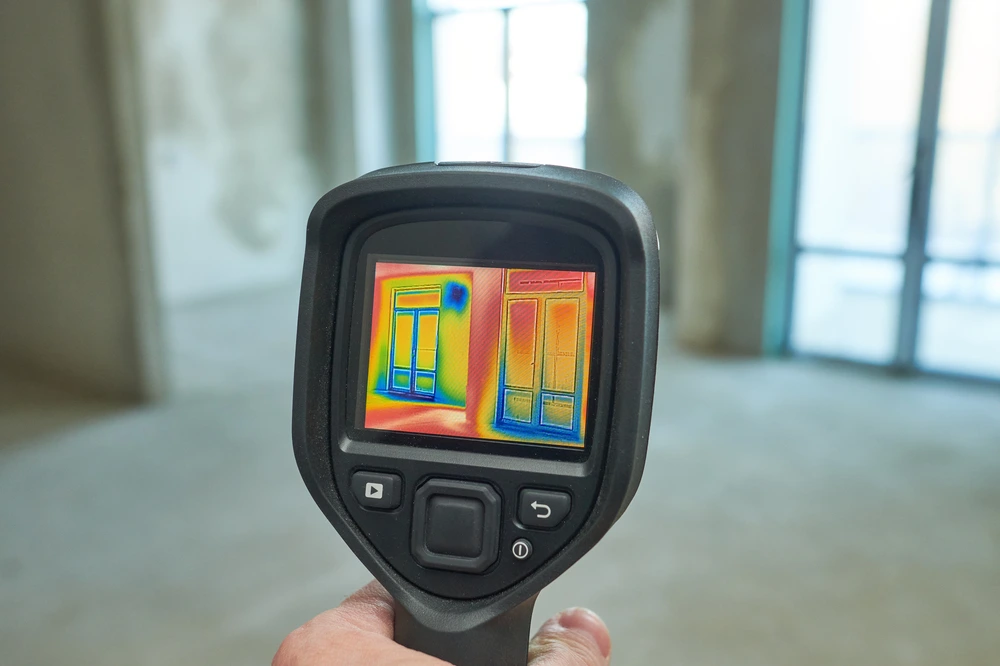
A thorough structural review identifies issues that could impact energy upgrades, such as damp, mould, leaks and poor ventilation.Resolving these problems is crucial before retrofitting to ensure long-term performance and protect the property’s integrity. This prevents costly setbacks and prepares the building for effective energy-saving improvements.
Occupancy Assessment
Knowing how a building is used is essential for creating retrofit solutions that really work. This assessment looks at how tenants use heating, ventilation and energy throughout the day.By tailoring upgrades to fit residents’ daily routines and comfort needs, housing providers can deliver improvements that make homes warmer, more efficient and more enjoyable to live in.
Tailored Recommendations
The final step is a clear, step-by-step action plan designed just for your property. This report prioritises upgrades based on their impact and cost-effectiveness.Recommendations might include external wall insulation, air source heat pumps, solar panels or better ventilation systems. Every solution is carefully chosen to meet sustainability goals, follow regulations and fit your budget — ensuring the best long-term value.
Why Retrofit Assessments Matter for Councils and Housing Associations
Retrofit assessments are a strategic investment in sustainable housing and community well-being. Here’s how retrofit assessments create lasting value:
Reduce Operational Costs
Energy-efficient upgrades like high-performance insulation, modern heating systems, and smart energy controls significantly lower energy consumption. This lowers utility bills for tenants and reduces maintenance and operational costs for housing providers.These long-term savings free up budgets for essential services and community projects. Evidence from the Retrofit for the Future programme shows that comprehensive retrofits can drastically reduce energy use, carbon emissions, and running costs.
Meet Net Zero Targets
Governments and local authorities face growing pressure to meet decarbonisation and climate goals. The UK government aims for as many homes as possible in England and Wales to reach EPC band C by 2035.Retrofit assessments offer a clear plan to cut carbon emissions by identifying the most effective energy-saving measures. This helps housing providers stay compliant with regulations while leading the way in environmental responsibility. Speak with our local authority retrofit specialists today to develop a tailored plan that helps you meet EPC goals, reduce carbon emissions, and future-proof your housing stock.
Enhance Resident Comfort and Well-Being
Poor insulation, outdated heating and poor ventilation can lead to damp, mould and uncomfortable indoor temperatures. Retrofit assessments identify these issues and recommend solutions that create warmer, healthier and more comfortable homes.Better air quality and consistent temperatures directly improve tenant well-being. Social rented homes already lead in energy efficiency with median scores of 70 in England and 72 in Wales (EPC band C). Expanding retrofit efforts ensures more residents experience these improved living conditions.
Increase Asset Value and Longevity
Proactive investment in sustainable upgrades extends the lifespan of housing stock. Measures like external wall insulation, energy-efficient windows and renewable energy systems improve energy performance and protect the building’s structure. This future-proofs properties against rising energy costs and evolving regulations. It safeguards long-term value and reduces the need for costly emergency repairs.
Retrofit Assessment vs. Energy Performance Certificate (EPC): Key Differences
Understanding the difference between a retrofit assessment report and an Energy Performance Certificate (EPC) is key to making smart decisions about improving property energy efficiency. While both assess energy performance, they serve different purposes and offer varying levels of detail.
Energy Performance Certificate (EPC)
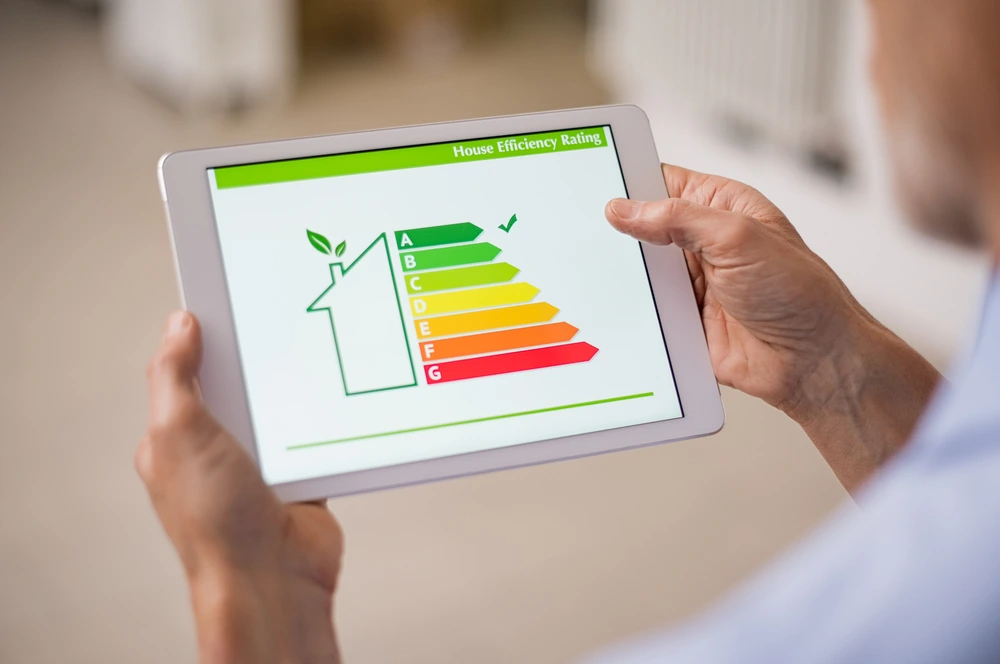
An EPC is a legally required document for selling or renting properties in the UK. It provides a simple energy efficiency rating from A (most efficient) to G (least efficient) and offers general suggestions for improvement. The EPC focuses on visible features like insulation, heating systems and lighting.
However, EPCs have limitations:
- They offer a broad, surface-level assessment without an in-depth analysis of the building’s structure or occupancy patterns.
- EPCs do not identify hidden issues like ventilation problems that could impact energy efficiency.
- They lack a clear, actionable plan for implementing improvements, leaving property managers without guidance on the next steps.
An EPC may be sufficient for small, low-risk improvements (like installing energy-efficient bulbs). However, for larger, more impactful upgrades — especially in social housing or large property portfolios — an EPC falls short.
Retrofit Assessment Report
A retrofit assessment report offers a full, whole-building evaluation designed to drive meaningful, long-term energy improvements. Conducted under the PAS 2035 framework, it goes far beyond the surface-level insights of an EPC.
Here’s why a retrofit assessment delivers more value:
Comprehensive Building Analysis
Structural Review: Detects issues like damp, mould, leaks and ventilation problems that need fixing before energy upgrades.
Energy Performance: Examines heating systems, insulation, air tightness and energy usage in detail.
Occupancy Patterns: Considers how tenants use the property to recommend upgrades that fit their daily needs and comfort.
Actionable Recommendations
Unlike the generic advice from an EPC, a retrofit assessment provides a clear, step-by-step action plan prioritised for maximum impact and cost-efficiency. This could include:
- External wall insulation to prevent heat loss.
- Air source heat pumps for cleaner, more efficient heating.
- Solar PV systems to generate renewable energy.
Ventilation upgrades to reduce damp and improve air quality.
Related Reading: Whole House Retrofit vs Single Measures: Which is Best for Social Housing?
Cost-Benefit Analysis for Smarter Decisions
Every recommendation comes with a cost-benefit analysis to help prioritise upgrades based on budget, return on investment and overall impact. This makes it easier to:
-
- Allocate funds effectively to high-impact projects.
- Apply for funding through schemes like ECO4 or the Great British Insulation Scheme (GBIS).
- Plan phased upgrades for maximum efficiency and minimal disruption.
Regulatory Compliance and Future-Proofing
Retrofit assessments ensure properties meet current energy efficiency regulations and help councils and housing associations stay ahead of evolving sustainability targets. They support long-term decarbonisation strategies aligned with government climate goals.
Why Choose Pyramid Eco?
At Pyramid Eco, we understand the unique challenges councils and housing providers face. Our expertise ensures that your sustainability goals are met without compromising cost-efficiency or tenant satisfaction.
Certified and Trusted Experts
We hold industry-leading certifications, including PAS 2030 and MCS (Microgeneration Certification Scheme), and we are on the Gas Safe Register. These accreditations guarantee that every project we deliver meets the highest safety, quality and energy efficiency standards.
Comprehensive Project Management
From the initial assessment to final installation, we provide end-to-end project management. Our team oversees every stage of the retrofit process, ensuring:
- Detailed assessments tailored to each property.
- Efficient project planning and coordination with minimal disruption to tenants.
- Strict quality control to meet compliance and performance benchmarks.
- On-time, on-budget delivery with clear communication throughout.
Strong Industry Partnerships
We collaborate with leading manufacturers and suppliers, including Weber and SAV, to provide high-performance, sustainable solutions. Our partnerships give us access to the latest energy-efficient technologies and materials, ensuring:
- Cost-effective solutions that align with your budget.
- High-quality products that meet durability and performance standards.
- Innovative retrofit measures that maximise energy savings and tenant comfort.
24-Month Retrofit Guarantee
We stand by the quality of our work. Every project we complete is backed by a 24-month retrofit guarantee, providing long-term value and peace of mind. This guarantee covers both materials and workmanship, ensuring that:
- Your investment is protected against unexpected issues.
- Energy efficiency measures continue to deliver optimal performance.
- You and your residents can feel confident in the results.
Tenant-Focused Solutions
We understand that successful retrofitting is about more than just meeting energy targets — it’s about enhancing residents’ comfort and well-being. Our team works closely with tenants and stakeholders to:
- Minimise disruption during assessments and installations.
- Communicate clearly to manage expectations and address concerns.
- Deliver tailored solutions that improve comfort, health and quality of life.
Funding Guidance and Support
Accessing funding can be complicated, but we make it easier. Our team helps you identify and secure grants like ECO4, the Great British Insulation Scheme (GBIS) and the Warm Homes Local Grant.
Let’s Build a Greener Future Together
Ready to cut energy costs, meet sustainability goals and create healthier, more comfortable homes for your community? A smarter, greener future starts with a retrofit assessment.
At Pyramid Eco, our experienced energy retrofit contractors in London provide expert guidance and tailored solutions to help you upgrade your housing stock, maximise long-term savings, and secure available funding opportunities.
Book your free consultation today and discover how we can help you future-proof your properties and improve residents’ lives.
Frequently Asked Questions (FAQs)
The cost of hiring a professional retrofit assessor typically ranges from £300 to £500. This price can vary based on factors such as the location, size of the property, and the complexity of the assessment.
While this may seem like an upfront expense, it is a valuable investment. A detailed assessment helps identify cost-effective energy-saving measures that can lead to significant long-term savings on energy bills and maintenance costs.
Look for assessors who are certified by recognised industry bodies such as the BRE (Building Research Establishment) or CIBSE (Chartered Institution of Building Services Engineers).
Additionally, certifications like the Domestic Retrofit Coordinator (DRC) and the Retrofit Assessor Certification Scheme (RACS) demonstrate advanced expertise in energy efficiency assessments and retrofitting projects.
These credentials ensure that the assessor follows industry best practices and complies with PAS 2035 standards.
The duration of a retrofit assessment generally ranges from 2 to 4 hours for most properties. However, this can vary depending on the property size, the number of rooms, and the complexity of the building.
Properties with difficult-to-access areas or complex energy systems may require additional time. After the on-site visit, assessors will also need time to analyse the findings and prepare a detailed report with tailored recommendations.
A comprehensive retrofit assessment typically includes several essential reports to give a full understanding of your property’s energy performance and areas for improvement:
Energy Performance Certificate (EPC): Rates your home’s energy efficiency on a scale from A (most efficient) to G (least efficient) and offers general improvement suggestions.
Occupancy Assessment Report: Analyses how energy is used within the property based on household behaviour, usage patterns, and daily routines.
Retrofit Action Plan: Provides a detailed, step-by-step guide outlining recommended improvements, estimated costs, and potential energy savings.
These reports offer actionable insights to help you make informed decisions on energy efficiency upgrades and sustainability improvements.
While homeowners and property managers can perform basic energy checks, it is highly recommended to hire a qualified retrofit assessor for a comprehensive evaluation. Professional assessors have specialised training, tools, and experience to identify issues that are not always visible, such as hidden air leaks, insufficient insulation, or inefficient heating systems.
A professional assessment ensures compliance with standards like PAS 2035 and provides accurate, tailored recommendations that deliver the greatest energy and cost savings.
Many retrofit projects are eligible for government-backed funding schemes aimed at improving energy efficiency, especially for older properties and low-income households.
Key funding options include:
ECO4 Scheme: Provides funding for energy-saving improvements in low-income and vulnerable households.
Great British Insulation Scheme (GBIS): Focuses on funding insulation upgrades to reduce energy costs.
Warm Homes Local Grant (WHLG): Offers funding for energy efficiency improvements in low-income and fuel-poor homes.
Pyramid Eco can guide you through the funding application process and help secure the best financial support for your energy efficiency projects.
A retrofit assessment is generally valid for 2 to 5 years, though this may vary based on changes to the property, updates in building regulations, or advancements in energy efficiency technology.
Significant property modifications or new government regulations may require an updated assessment to ensure continued compliance and effectiveness. Regular assessments help keep your energy strategy up to date and aligned with the latest sustainability standards.
Our retrofit assessment process is designed to minimise disruption to tenants. Assessors typically conduct room-by-room inspections, evaluate heating systems, and check insulation and ventilation systems.
Assessors may also take photographs and measurements but will always seek permission before moving personal items. We prioritise clear communication with tenants throughout the process to ensure they feel informed and comfortable.


