
Fully funded insulation, solar panels and air source heat pumps for eligible households, through the Warm Homes: Local Grant. Pyramid Eco installs this work across North and West London.
Warm Homes: Local Grant in North and West London
TrustMark registered · PAS 2030 certified, working to PAS 2035 · MCS registered for solar PV, battery storage and air source heat pumps
The Warm Homes: Local Grant pays for energy-saving improvements in lower-income private households across England. Pyramid Eco installs measures under the scheme in North and West London, as well as across Hertfordshire.
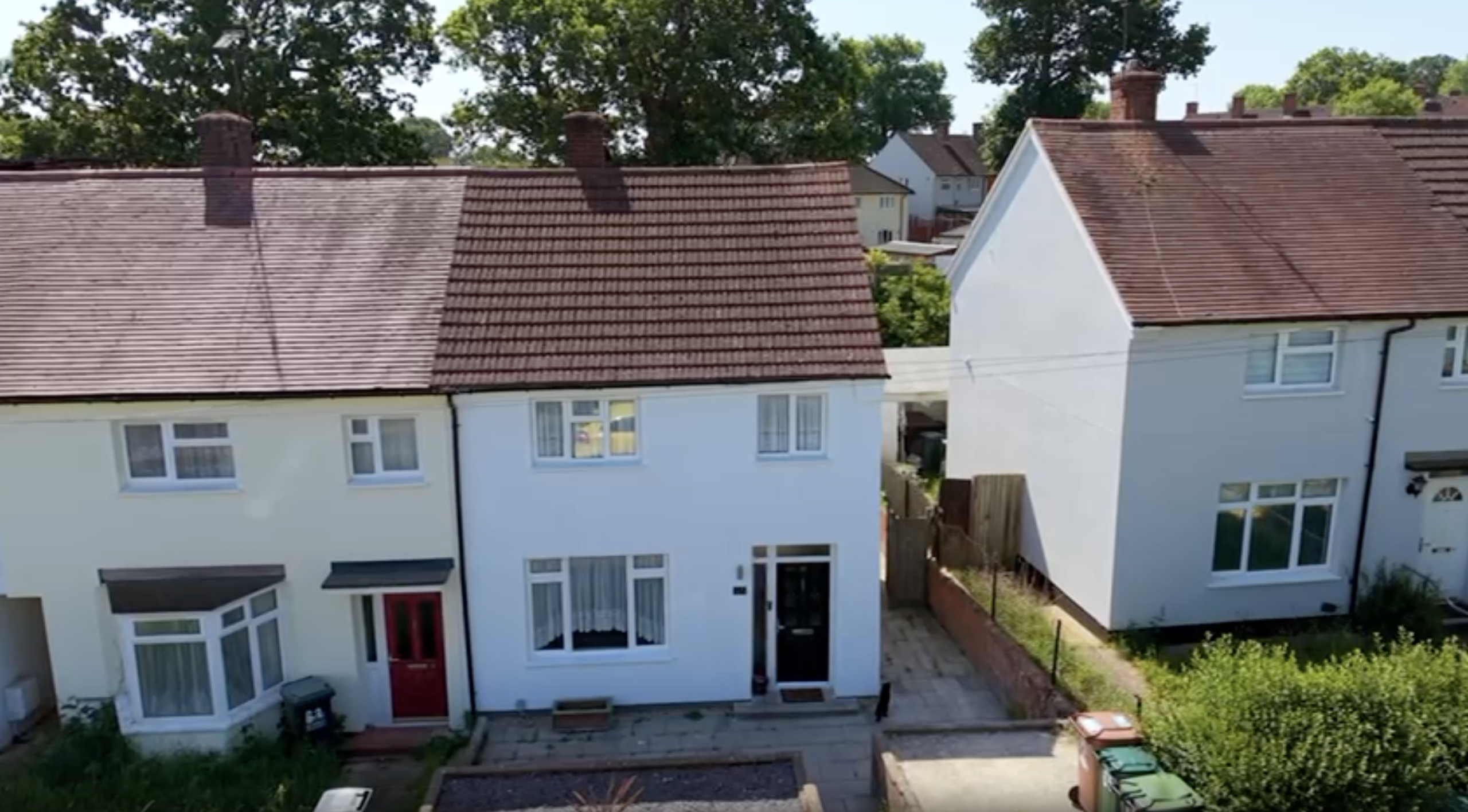
One survey, several measures where they fit: insulation, solar and heating considered together.
What is the Warm Homes: Local Grant?
It is a government scheme, running from 2025 to 2028, that funds energy performance upgrades and low-carbon heating for households on lower incomes. It is delivered locally through participating councils. For eligible owner-occupiers the measures are fully funded. Private tenants can benefit at no cost to them, with their landlord’s permission; landlords may need to pay towards some improvements.
Who may qualify?
Your home needs an EPC rating of D, E, F or G, and it needs to be owner-occupied or privately rented. You would then usually qualify through one of three routes:
- your postcode is on the official eligible-postcode list published by the government, or
- someone in your household receives a means-tested benefit, such as Universal Credit, Pension Credit or Housing Benefit, or
- your household income is £36,000 a year or less.
The quickest first step is our postcode checker, which checks your postcode against the official list in seconds. If your postcode is not on the list, you may still qualify through the benefits or income routes, so it is worth asking. One thing we want to be clear about: we never decide or promise eligibility. Your council confirms it as part of your application.
The scale of the problem
Fuel poverty in London has been rising, not falling: 9.6% of London households were in fuel poverty in 2024, up from 9.3% the year before, close to the England-wide rate of 9.9% (DESNZ, sub-regional fuel poverty statistics, 2026 report). London’s homes are relatively efficient by national standards, average EPC score 70 against England’s 69, but a rate close to one in ten households still points to a large number of homes that are expensive or difficult to keep warm (ONS, energy efficiency of housing in England and Wales, 2025).
Nationally, the Warm Homes: Local Grant had funded upgrades to around 5,470 households by the end of July 2026, across 271 local authorities and 74 projects, over 97% of eligible councils in England (DESNZ, Warm Homes: Local Grant statistics, August 2026). Solar PV is the most common measure installed so far (38%), followed by insulation (24%) and battery storage (18%).
What the grant can pay for
- Insulation: cavity wall, loft, room-in-roof, solid wall and flat roof. We specify mineral wool wherever possible, a decision we made on fire-safety grounds in early 2025.
- Solar panels, with battery storage where suitable.
- Air source heat pumps and smarter heating controls.
- Ventilation where the retrofit assessment calls for it.
Every home is different. A survey of your property decides which measures fit, and nothing is installed that the assessment does not support.
Not sure where to start?
Checking your postcode takes seconds and uses the same official list your council does. If you would rather talk to a person first, that is fine too.

Where we work in London
We install across North and West London, including these boroughs:
North London: Barnet, Camden, Enfield, Haringey and Islington.
West London: Ealing, Hammersmith and Fulham, Harrow, Hillingdon, Hounslow, Kensington and Chelsea, and Westminster.
We also work across Hertfordshire, where we have delivered Warm Homes: Local Grant projects with several councils.
What the experts are saying
Dr Simon Cran-McGreehin, Head of Analysis at the Energy and Climate Intelligence Unit, put it plainly: “Bills will remain high throughout the winter and likely beyond so efforts to help households insulate so they can use less energy will need to ramp up.”
How the measures fit together
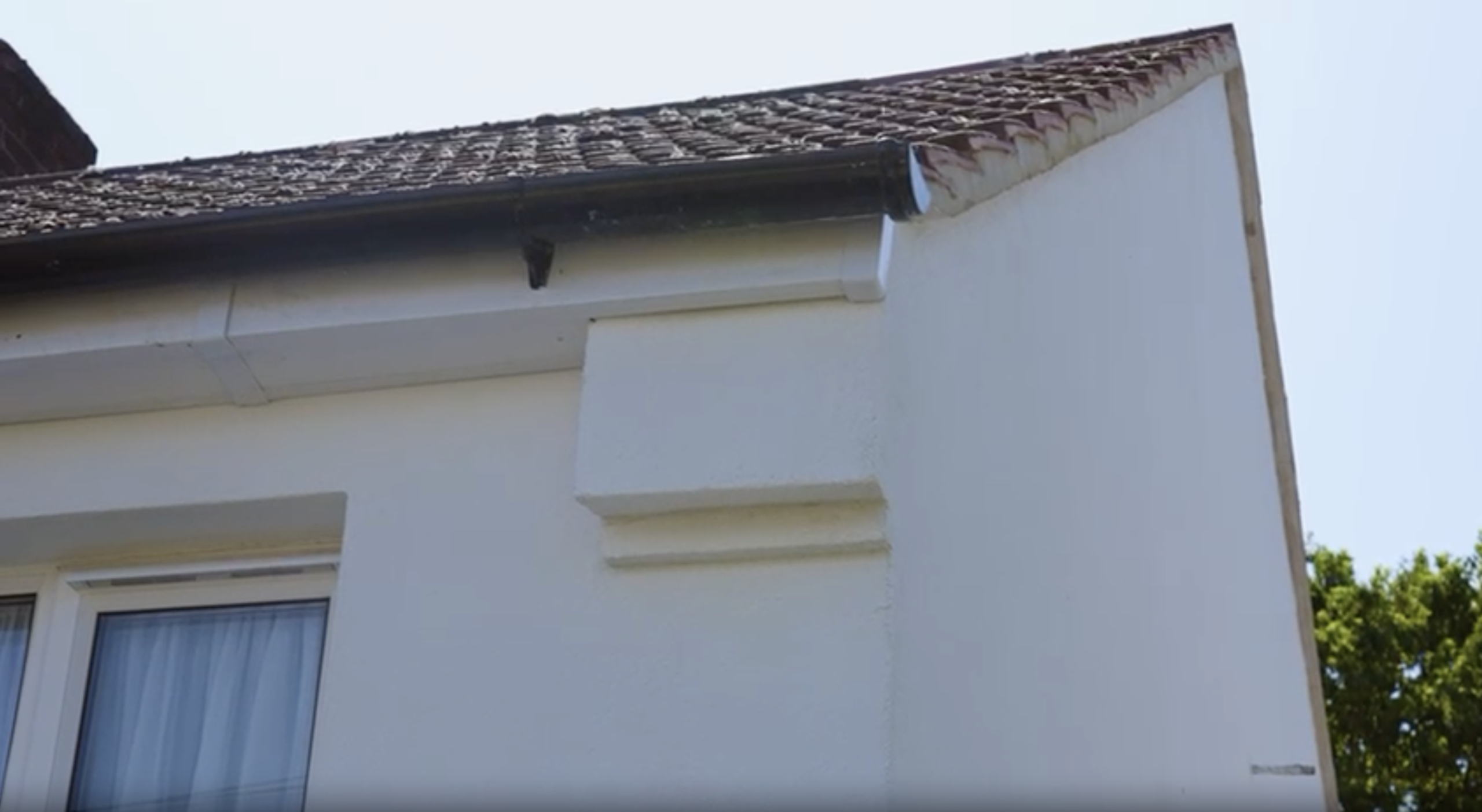
Fitting solar panels or a heat pump to a home that loses heat quickly usually means paying to run a good system harder than it should need to. That is why a proper assessment looks at the fabric first (insulation, ventilation) and the low-carbon heating and generation second, rather than treating them as separate jobs. It is the same approach behind every survey we carry out under the grant.
How applying works
- Check your postcode. Our checker takes seconds and uses the same official list your council does.
- Talk to us. If it looks like you may qualify, get in touch. We will listen to what your home needs and explain the process honestly, including what we cannot promise.
- Apply through the official route. Applications are made through GOV.UK or your council’s programme. We will point you to the right place and help you understand what happens next.
- Survey and installation. If your application is approved, your home is surveyed and the agreed measures are installed and quality-checked, at no cost to eligible owner-occupiers.
What our work looks like
This flat-roof insulation project in Enfield shows how we go about it:
All of our high-risk installations are independently inspected by the IAA under an audit programme we volunteered for and pay for ourselves. You can read about that here, because you should not have to take our word for it.
Questions we hear a lot
For eligible owner-occupiers, yes: the measures are fully funded through the grant and there is nothing to pay for the installation. Private tenants pay nothing either, though the landlord must give permission and may need to pay towards some improvements.
No. The postcode list is only one of three routes. You may still qualify if someone in your household receives a means-tested benefit, or if your household income is £36,000 a year or less.
D, E, F or G. You can look up your certificate on the government's EPC register. If your home has never had an EPC, ask us and we will help you work out where you stand.
Yes, at no cost to you, as long as your landlord gives permission. Landlords may need to pay towards some improvements.
It can be. The grant can fund improvements to privately rented homes rated EPC D to G where the household meets the eligibility criteria, and you may need to contribute towards some of the cost. We are happy to talk it through property by property.
Demand for the scheme in London is high, so timescales depend on your application and your council's programme. We will always tell you honestly what we know rather than guess.
Start with your postcode
Checking takes seconds and uses the official government list. If you would rather talk to a person first, that is fine too: tell us about your home and we will help you work out where you stand.
Work for a local authority, housing association or managing agent? See how we work as a Warm Homes: Local Grant delivery partner.
Sources: GOV.UK, Apply for the Warm Homes: Local Grant (eligibility routes and application process); DESNZ Warm Homes: Local Grant policy guidance, July 2026; DESNZ Warm Homes: Local Grant statistics, August 2026; DESNZ sub-regional fuel poverty statistics, 2026 report (2024 data); ONS, energy efficiency of housing in England and Wales, 2025; Energy and Climate Intelligence Unit. Scheme rules can change and budgets are limited; your council confirms eligibility and timescales.