
First published: 4 Mar 2024 | Updated: 3 Nov 2025
Damp and mould are common household issues that can damage your home and affect your health. While often confused, they are distinct problems with different causes, effects, and solutions.
In this blog, we’ll explain the differences between damp and mould, explore their causes, health risks, and treatments, and share practical tips for damp and mould prevention.
What Is Damp?
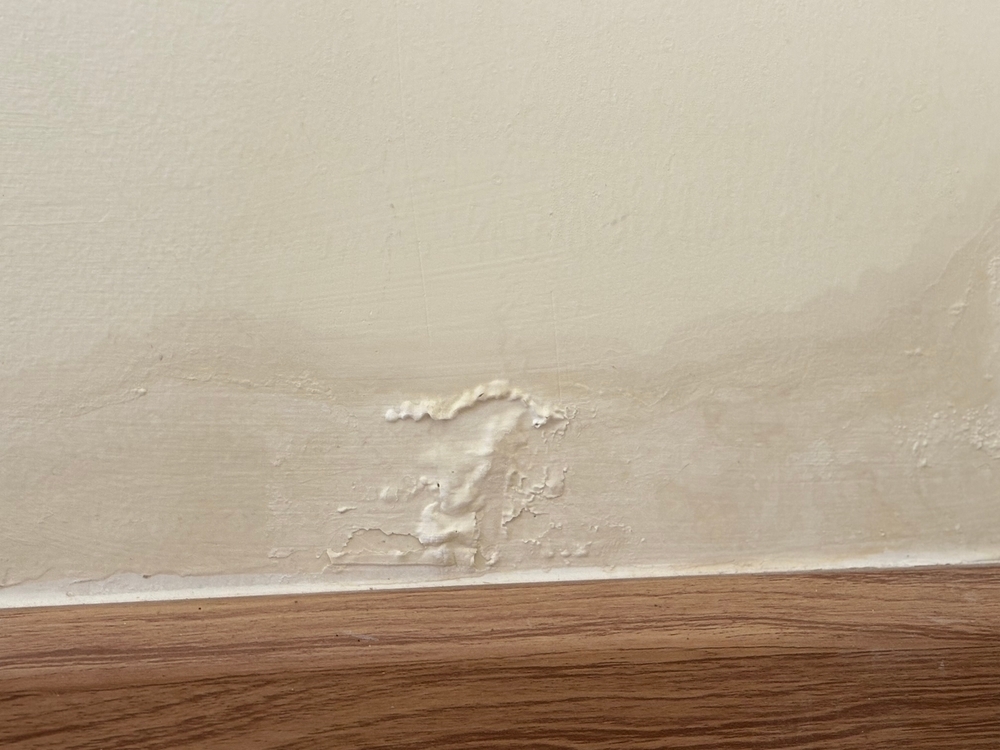
Damp refers to excess moisture in a building, often caused by water ingress or poor ventilation. It can manifest as wet patches, discolouration, or a musty smell on walls, floors, or ceilings. There are three main types of damp:
- Rising Damp: Water from the ground rises through walls due to a failed or missing damp-proof course.
- Penetrating Damp: Water leaks through walls or roofs due to structural issues like cracks or faulty gutters.
- Condensation: Excess moisture from poor ventilation, often seen in bathrooms or kitchens.
Damp creates an environment where mould can thrive, but it’s the root issue rather than the visible growth.
Common Signs of Damp
Damp can be identified in a few different ways. Inspect your home for signs of the following:
- Dark patches or stains on walls
- Peeling wallpaper or blistering paint
- Musty odour
- Condensation on windows.
What Is Mould?
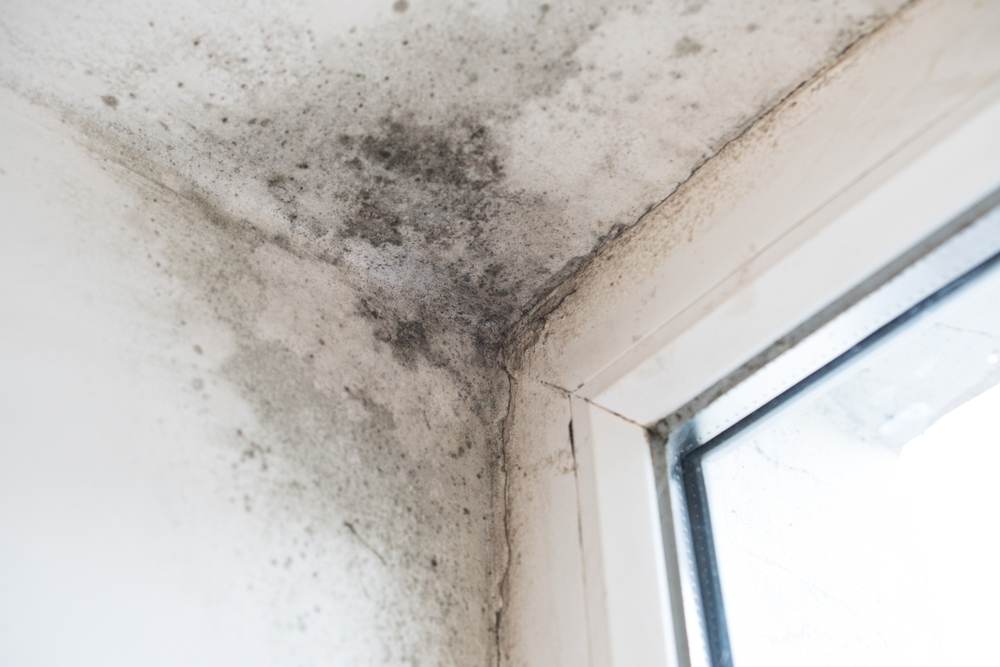
Mould is a type of fungus that grows in damp, humid conditions. It appears as black, green, or white patches on surfaces like walls, ceilings, or fabrics. Mould spreads through spores, which can become airborne and worsen indoor air quality.
Unlike damp, which is the moisture itself, mould is a living organism that feeds on organic materials in wet environments. It’s a symptom of underlying dampness, not the cause.
Common Signs of Mould
You might have mould in your home if any of the following are present:
- Black, green, or white fuzzy patches
- Musty smell
- Growth on walls, ceilings, window frames, or furniture.
Causes of Damp and Mould
Now that you can identify damp and mould in your home, it’s time to investigate the root causes so that you can prevent them from getting worse (or returning once they’ve been treated).
Causes of Damp
- Rising Damp: Faulty or absent damp-proof courses allow groundwater to seep into walls.
- Penetrating Damp: Leaks from damaged roofs, gutters, or cracked walls that let water in.
- Condensation: Warm, moist air meets cold surfaces, common in poorly ventilated homes.
- Plumbing Issues: Leaking pipes or appliances can introduce moisture into walls or floors.
Causes of Mould
- High Humidity: Environments with humidity above 60% promote mould growth.
- Poor Ventilation: Trapped moisture in kitchens, bathrooms, or basements creates ideal conditions.
- Untreated Damp: Any form of dampness, if left unresolved, encourages mould to spread.
- Organic Materials: Mould feeds on materials like wood, wallpaper, or fabric in damp areas.
Damp and Mould Health Risks
Damp and mould can also impact your health. Prolonged exposure to moisture or mould spores can lead to serious health issues.
Damp Health Risks
Damp itself doesn’t directly cause health issues, but creates conditions for mould and dust mites, which can trigger:
- Respiratory problems
- Skin irritation
- Worsened asthma or allergies.
Mould Health Risks
Mould poses more direct risks due to its spores, which can be inhaled, causing:
- Allergic reactions (sneezing, itchy eyes, or rashes).
- Asthma attacks or worsening respiratory conditions.
- In severe cases, infections such as aspergillosis occur in immunocompromised individuals.
Children, the elderly, and those with pre-existing conditions are particularly vulnerable.
How to Treat Damp
To effectively treat damp, you must address the source of the moisture:
- Rising Damp: Install or repair a damp-proof course. Consult a professional for chemical injections or membrane installations.
- Penetrating Damp: Fix structural issues like cracked walls, damaged roofs, or faulty gutters. Apply waterproof sealants where needed.
- Condensation: Improve ventilation with extractor fans, open windows, or use a dehumidifier. Insulate cold surfaces to reduce moisture buildup.
- Professional Assessment: For persistent issues, hire a damp specialist to diagnose and treat the problem.
How to Treat Mould
To treat mould, you need to eliminate the growth and address the underlying dampness:
- Clean Small Areas: Use a solution of water and mild detergent or a commercial mould remover. Avoid bleach, as it may not kill mould on porous surfaces.
- Protect Yourself: Wear gloves, a mask, and goggles when cleaning to avoid inhaling spores.
- Dry the Area: Use a dehumidifier or increase ventilation to dry out affected surfaces.
- Fix the Cause: Treat any damp issues to prevent mould from returning.
- Replace Damaged Materials: Severely mouldy items like carpets or drywall may need replacement.
For large or persistent mould growth, hire a professional mould remediation service.
Damp and Mould Prevention Tips
You don’t have to wait until damp or mould appears to take action. With a few simple habits and regular upkeep, you can prevent both from developing.
Damp Prevention
- Maintain Your Property: Regularly check roofs, gutters, and pipes for leaks or damage.
- Improve Ventilation: Use extractor fans in kitchens and bathrooms, and open windows daily.
- Insulate: Add insulation to walls and pipes to prevent condensation on cold surfaces.
- Use Dehumidifiers: Keep indoor humidity below 60% in high-risk areas.
- Install Damp-Proofing: Ensure new builds have proper damp-proof courses and membranes.
Mould Prevention
- Control Humidity: Use dehumidifiers or air conditioners in humid climates.
- Ventilate: Ensure good airflow in bathrooms, kitchens, and laundry areas.
- Fix Leaks Promptly: Address any signs of damp or water ingress immediately.
- Clean Regularly: Wipe down surfaces prone to moisture, like shower tiles or window sills.
- Use Mould-Resistant Products: Opt for mould-resistant paint or drywall in damp-prone areas.
Damp vs. Mould: Key Differences
To summarise the difference between damp and mould, here’s a comparison table:
| Aspect | Damp | Mould |
|---|---|---|
| Definition | Excess moisture in a building from water ingress or poor ventilation. | Fungal growth that thrives in damp, humid conditions. |
| Appearance | Wet patches, discolouration, peeling paint, or musty smells. | Black, green, or white fuzzy or powdery patches on surfaces. |
| Cause | Structural issues, leaks, or condensation. | Dampness provides a moist environment for fungal growth. |
| Smell | Musty or earthy | Strong, musty, fungal odour |
| Main Concern | Structural damage | Health risks and indoor air quality |
| Health Impact | Can cause respiratory issues indirectly by fostering mould | Direct health risks like allergies, asthma, or respiratory infections. |
| Treatment | Fix leaks, improve ventilation, or install damp-proofing. | Clean with antifungal solutions and address underlying dampness. |
| Prevention | Regular maintenance, good ventilation, and waterproofing. | Control humidity, ensure ventilation, and fix damp issues promptly. |
Fixing Damp and Mould Issues for Good
Understanding the difference between damp and mould is key to tackling these issues effectively. You can protect your home and health by identifying the type of damp, addressing its cause, and taking steps to eradicate it. Consistent damp prevention and mould prevention practices will keep your home safe and dry.
If you suspect damp or mould in your home, act quickly to prevent further damage. At Pyramid Eco, we help homeowners and landlords tackle these problems head-on with smart, lasting solutions — even for complex cases. Contact us to ensure a thorough solution.


