
The Warm Homes Local Grant can help eligible households in England pay for home energy upgrades, such as insulation and low-carbon heating. If you qualify, you could get funding to make your property warmer, cheaper to heat, and more comfortable.
This guide explains how to apply for the Warm Homes Local Grant, who is eligible, and what the grant can cover. You’ll learn everything you need to know to apply and what happens at each stage of the process.
What Is the Warm Homes Local Grant?
The Warm Homes Local Grant is a government-funded scheme that helps eligible households in England make their homes more energy efficient. It is delivered through local authorities and supports privately owned homes with an EPC rating of D, E, F, or G.
The grant can help fund upgrades like insulation, solar panels, heating controls, and low-carbon heating systems.
Funding may include:
| Funding Area | What It May Cover | Potential Funding |
|---|---|---|
| Energy efficiency upgrades | Insulation, solar panels, ventilation, draught-proofing, heating controls, and other eligible measures | Up to £15,000 |
| Low-carbon heating | Air-source heat pumps, ground-source heat pumps, and other suitable heating upgrades | Up to £15,000 |
| Total possible support | A combination of energy efficiency and low-carbon heating measures | Up to £30,000 |
The exact funding available depends on your home, your eligibility, your local authority, and the improvements recommended after assessment.
Who Is Eligible for the Warm Homes Local Grant?
You may be eligible for the Warm Homes Local Grant if your home is in England, has an EPC rating of D, E, F, or G, and is owner-occupied or privately rented.
You will also need to meet the scheme’s income, benefits, or postcode criteria. In most cases, your household income must be £36,000 a year or less, although some households may qualify through benefits or an eligible postcode area.
| Eligibility Factor | Requirement |
|---|---|
| Location | England only |
| Property type | Owner-occupied or privately rented homes |
| EPC rating | D, E, F, or G |
| Income | Usually £36,000 or less |
| Benefits | Some means-tested benefits may help you qualify |
| Tenants | Landlord permission is usually required |
| Local authority | Your area must be participating or accepting applications. |
How to Apply for the Warm Homes Local Grant with Pyramid Eco
To apply for the Warm Homes Local Grant, you usually need to check your eligibility, share details about your home and household, complete a home assessment, and wait for approved upgrades to be confirmed.
Finding out if you qualify can feel confusing, especially when the rules depend on your local authority. Pyramid Eco simplifies the process and helps you understand your funding options.
Here’s how it works:
Step 1: Free Eligibility Check
The first step is checking whether your household and property may qualify.
We’ll ask for a few basic details, such as:
- Your postcode
- Whether you own or rent your home
- Your EPC rating, if you know it
- Your household income or benefits status
- Your current heating system
- The type of improvements your home may need.
If you do not know your EPC rating, do not worry. This can usually be checked as part of the process.
Step 2: Funding Options Review
The Warm Homes Local Grant is not the only funding route available. If you do not qualify for this scheme, you may still be eligible for another grant or support programme.
Pyramid Eco can help you determine whether the Warm Homes Local Grant, ECO4, the Great British Insulation Scheme, the Boiler Upgrade Scheme, or another local authority scheme is more suitable for your property.
Step 3: Application Support
Pyramid Eco can help you determine which information you need before your application is submitted.
Once your details are ready, your application can be submitted through the appropriate route, whether via your local authority, the official scheme process, or another suitable funding route.
Step 4: Home Assessment
If your property is likely to qualify, a home assessment will help identify which improvements are suitable.
The assessment may look at:
- Current insulation levels
- Heat loss
- Heating system efficiency
- Ventilation
- Windows and doors
- EPC rating
- Whether solar panels or low-carbon heating may be suitable
- Which upgrades would make the biggest improvement to your home?
Step 5: Funding Approval
After the assessment, the recommended improvements will be reviewed against the scheme rules and local authority requirements. If approved, funding may cover eligible upgrades so you don’t have to pay the full cost yourself.
In most cases, the grant is not paid to you directly as cash. Instead, approved works are arranged and funded through the scheme.
Step 6: Installation
Once the improvements are approved, eligible works can be installed. Depending on your property, this may include insulation, heating controls, solar panels, heat pumps, draught-proofing, ventilation, or other suitable energy efficiency measures.
Step 7: Aftercare
Pyramid Eco supports you after installation, too. We help make sure the work meets the required standards and that you understand the improvements made to your home.
From the first eligibility check to installation and aftercare, Pyramid Eco makes the Warm Homes Local Grant process easier to manage.
Get Help Applying for the Warm Homes Local Grant
Not sure if you qualify? Pyramid Eco can check your eligibility, explain your funding options, and guide you through the process from start to finish.
What Improvements Can the Warm Homes Local Grant Cover?
The Warm Homes Local Grant can fund a range of energy efficiency and low-carbon heating upgrades. The exact improvements available will depend on your property assessment, local authority rules, and what is needed to improve your home’s energy performance.
| Upgrade Type | Examples |
|---|---|
| Insulation | Loft insulation, roof insulation, cavity wall insulation, solid wall insulation, underfloor insulation. |
| Draught-proofing | Reducing draughts around windows, doors, and other heat-loss areas. |
| Heating controls | Smart heating controls, improved hot water controls, cylinder upgrades. |
| Low-carbon heating | Air source heat pumps, ground-source heat pumps, high heat retention storage heaters. |
| Solar technology | Solar panels and battery storage where suitable |
| Ventilation | Ventilation upgrades where required alongside insulation works |
| Windows and doors | Double or triple glazing where suitable and approved. |
The scheme is designed to improve your home’s overall energy performance, so upgrades are often recommended as a package rather than as a single, standalone measure.
How Much Funding Can You Get?
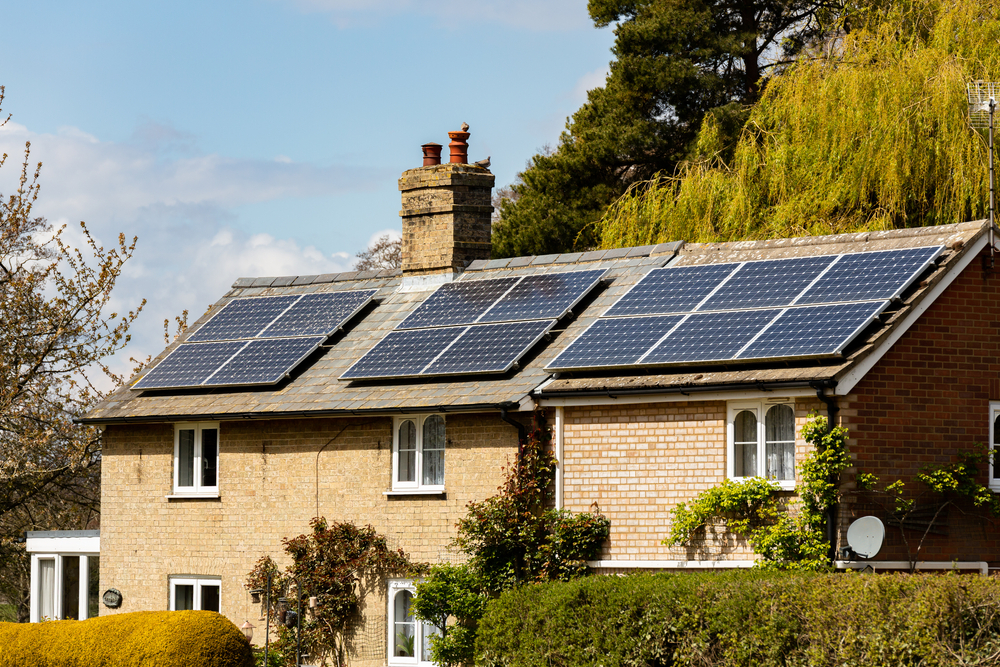
Eligible households may be able to receive up to £15,000 for energy efficiency improvements and up to £15,000 for low-carbon heating upgrades. This means some households could access support worth up to £30,000.
However, not every home will receive the maximum amount. The funding available depends on:
- Your eligibility
- Your local authority
- Your EPC rating
- The condition of your home
- The improvements recommended after the assessment
- Whether low-carbon heating is suitable
- Available funding in your area.
Related: Your Guide to Home Improvement Grants in the UK
What Information Do You Need to Apply for the Warm Homes Local Grant?
To apply for the Warm Homes Local Grant, you may need to provide details about your home, income, benefits, and current heating system.
This can include:
- Your address and postcode
- Whether you own or rent your home
- Your EPC rating, if you know it
- Proof of income
- Proof of benefits, if applicable
- Proof of home ownership or tenancy details
- Landlord permission, if you are a private tenant
- Details about your current heating system.
Can You Apply Directly Through GOV.UK or Your Local Authority?
Yes. Homeowners can usually apply through the GOV.UK Warm Homes: Local Grant checker or contact their local authority directly.
Private tenants may need to speak to their local authority first, as landlord permission is usually needed before any work can start.
The process can vary depending on where you live. Some councils may be accepting full applications, while others may only accept registrations of interest.
If you are not sure where to start, Pyramid Eco can check your eligibility and explain your options before you apply.
How Long Does the Warm Homes Local Grant Application Take?
There is no fixed application timeline for every household. The process can depend on where you live, how your local authority is managing the scheme, and whether your documents are ready.
Applications may take longer if:
- Your local authority has a waiting list
- Your council is only accepting registrations of interest
- You need to provide extra income or benefit evidence
- Your EPC rating needs checking
- A landlord needs to give permission
- Your property needs a detailed assessment
- The recommended work involves several upgrades.
What If You Are Not Eligible?
If you do not qualify for the Warm Homes Local Grant, you may still have other options.
Alternative support may include:
- ECO4 funding
- Great British Insulation Scheme support
- Boiler Upgrade Scheme funding
- Local council energy efficiency schemes.
The best option depends on your property, EPC rating, and household circumstances.
Start Your Warm Homes Local Grant Application
The Warm Homes Local Grant can help make your home warmer, more efficient, and cheaper to heat. Pyramid Eco can check your eligibility, explain your funding options, and guide you through the next steps.
Ready to find out if you qualify?
Frequently Asked Questions
Yes, private landlords may be able to apply for the Warm Homes Local Grant for eligible rented properties. The property must meet the scheme rules, the tenant usually needs to agree, and landlord contributions may apply.
Yes, the Warm Homes Local Grant may help pay for a heat pump. Air-source, ground-source, and other low-carbon heating systems may be covered if they are suitable for your home.


