
The statutory duty that gives residents fixed timescales for damp, mould, cold and other hazards, in one place: what it is, who it applies to, and what to do next.
Awaab’s Law: what it means for your homes
TrustMark registered · PAS 2030 certified, working to PAS 2035 · MCS registered · Delivering retrofit and ventilation since 2011
Awaab’s Law is a statutory duty on social landlords in England to investigate and fix housing hazards, including damp, mould and, from 30 November 2026, excess cold, within fixed legal timescales. It currently applies to local authorities and housing associations. An extension to the private rented sector is expected in 2027 under the Renters’ Rights Act, though this is not yet in force.
The duty works by attaching a legal clock to hazards that used to be handled on a landlord’s own timetable. Miss the clock, and the resident has statutory grounds for a claim, separate from any wider disrepair action. That is what has moved damp, mould and now cold from a maintenance backlog to a compliance risk with a date on it.

The stock Awaab’s Law timescales attach to: social housing, block by block.
The phases, at a glance
Phase 1 · Live
27 October 2025
Damp and mould, plus all emergency hazards
Phase 2 · The next deadline
30 November 2026
Adds excess cold, excess heat, falls, fire, electrical hazards, domestic hygiene/pests/refuse, structural collapse and falling elements
Phase 3 · Expected
2027
The remaining HHSRS hazards, and an expected extension to private rented homes under the Renters’ Rights Act
Phase 2 is the one changing the shape of this winter’s work, because excess cold is usually a fabric problem (missing or failed insulation, inadequate heating, uncontrolled ventilation losses), not something a single visit resolves. See the full statutory timescales, hazard by hazard, and what to do before 30 November.
The scale of the problem
In 2023, 5% of homes in England, around 1.3 million, had significant damp problems recorded by a surveyor (English Housing Survey). In the social rented sector the figure is 7%: 9% in local authority homes and 5% in housing association homes, both higher than the 4% recorded in owner-occupied homes. The government estimates that around 4 million social rented homes in England fall under Awaab’s Law’s full extension.
Who the duty falls on
Local authorities and housing associations are in scope now, for every hazard Phase 1 and Phase 2 cover. Private landlords are not yet bound by Awaab’s Law itself, but the direction of travel is clear: the Renters’ Rights Act is expected to extend equivalent timescales to the private rented sector from 2027, and several of the same underlying duties (fitness for human habitation, HHSRS hazard categories) already apply. Residents gain a statutory route rather than a discretionary one: a hazard reported now has a legal clock attached, whichever category it falls into.
What counts as a hazard
Awaab’s Law timescales attach to the hazard categories in the Housing Health and Safety Rating System (HHSRS). Phase 1 covers damp and mould plus every emergency hazard. Phase 2 adds excess cold, excess heat, falls, fire, electrical hazards, domestic hygiene/pests/refuse, and structural collapse or falling elements. Whichever category applies, the same pattern of duties follows: investigate within a fixed number of working days, give the resident a written summary, then complete safety works within a further fixed window, with suitable alternative accommodation if the home cannot be made safe in time.
Already know something’s wrong? Plan your next steps
A housing team has usually already identified an issue, through a resident report, a routine inspection or an Awaab’s Law investigation, before remedial works are scoped and costed. This planner helps work out what to assess and consider next once the issue is known. It does not diagnose, does not determine legal compliance, and does not prescribe specific works.
Five short questions, about two minutes, no personal details needed to see the result.
This tool gives general considerations based on the answers provided. It does not survey your property, determine compliance with Awaab’s Law, or replace a PAS 2035 whole-dwelling assessment.
If you manage social housing stock
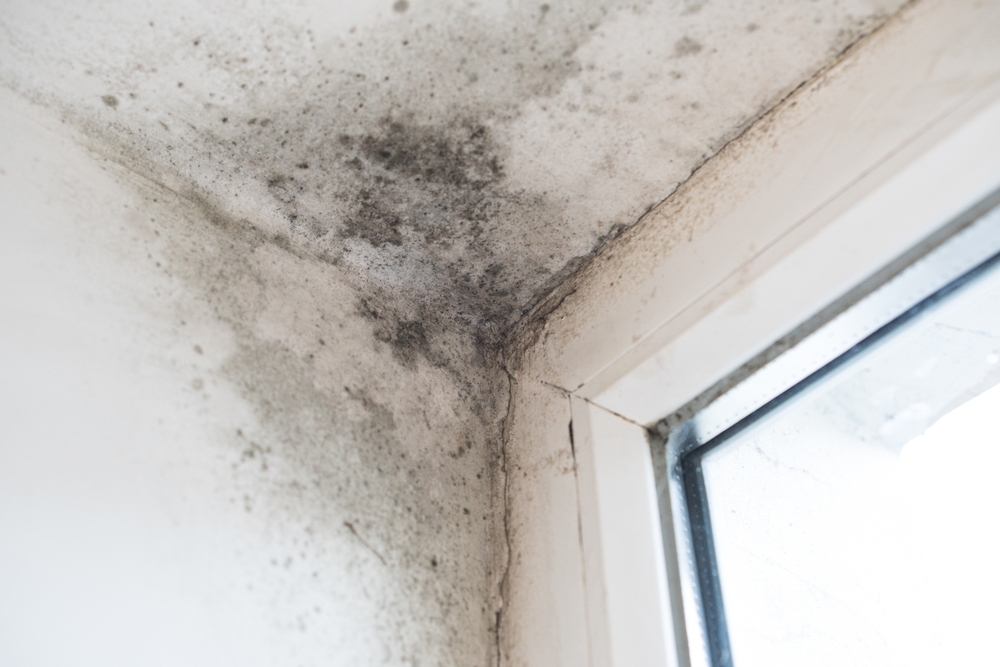
Excess cold is the hazard category most likely to trace back to fabric that was never fixed properly, or that was fixed once and has since failed. We survey, fix and leave an audit trail: cold, damp and mould treated as one fabric problem rather than three separate call-outs.
If you’re a private landlord
Awaab’s Law does not yet bind the private rented sector, but a home that would fail a Phase 2 hazard check today is worth knowing about before the Renters’ Rights Act closes that gap. What private landlords should do now sets out the practical steps.
Where insulation and ventilation fit
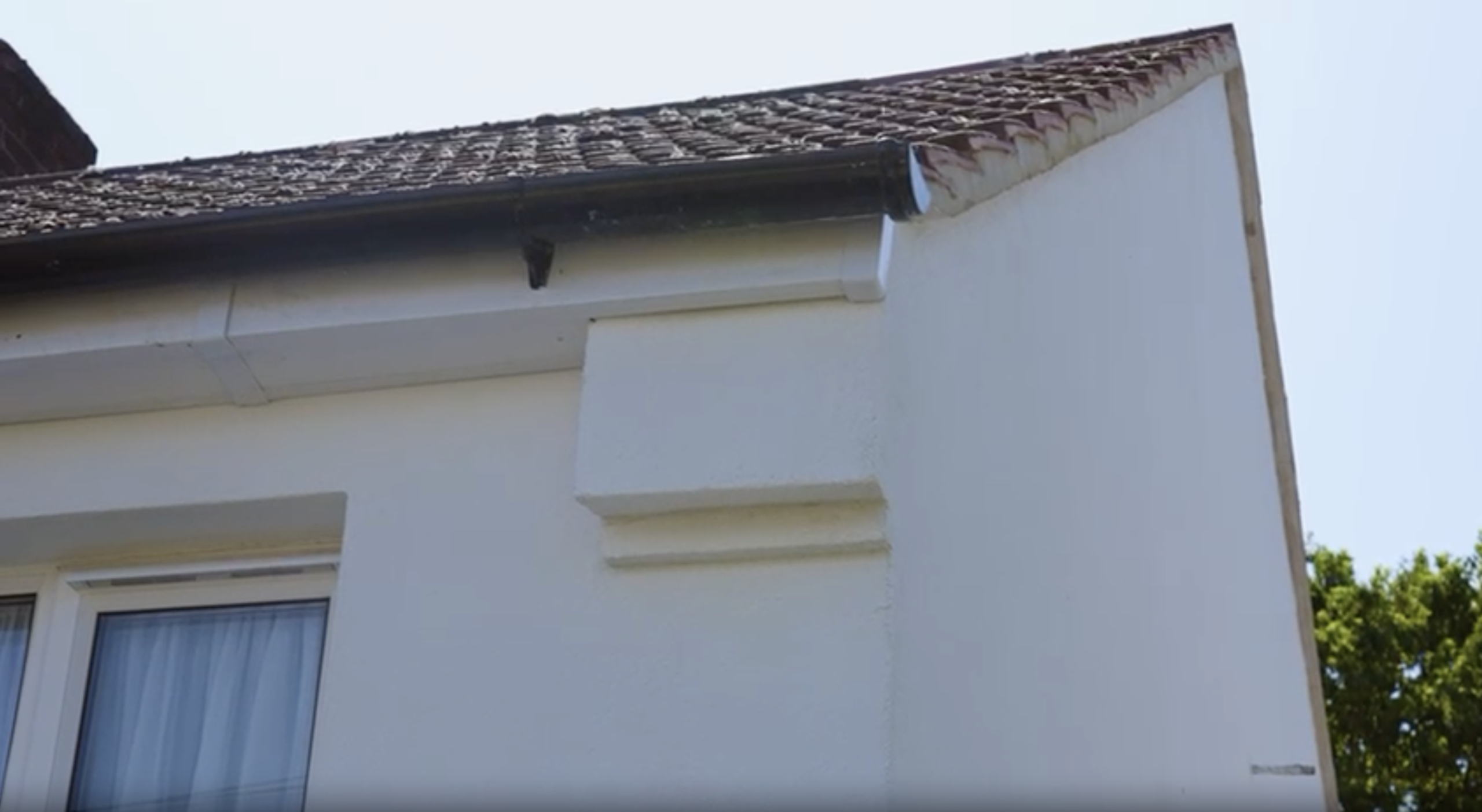
Sealing a cold home without controlling airflow manufactures next year’s condensation and mould case, back on the Phase 1 clock. Treating insulation and ventilation as one design problem, the way our ventilation and mould service and PAS 2035 whole-dwelling assessment both require, is what keeps a Phase 2 fix from becoming a Phase 1 problem later. Where insulation was installed under an earlier scheme and may not be performing, our remediation service checks it rather than assumes it.
What housing providers are saying
“Housing associations are spending record sums on investment in their existing homes, spending £8.8bn last year, despite facing unprecedented financial pressures,” said Kate Henderson, Chief Executive of the National Housing Federation, in response to the Awaab’s Law announcement. “Social housing providers are committed to ensuring the failures that led to the tragic death of Awaab Ishak never happen again.”
Councillor Sue Thornley, Portfolio Leader for Housing and Corporate Assets at Cannock Chase District Council, put it this way: “The new timeframes set by Awaab’s Law are challenging, but they are necessary. We’re working hard to make sure our teams are ready to meet these standards consistently, delivering a prompt, fair and professional service for our tenants.”
Questions we’re asked
A statutory duty on social landlords in England to investigate and fix housing hazards within fixed legal timescales, starting with damp and mould from 27 October 2025 and extending to excess cold and six further hazard categories from 30 November 2026.
30 November 2026. From that date, excess cold, excess heat, falls, fire, electrical hazards, domestic hygiene/pests/refuse, and structural collapse or falling elements all carry the same statutory timescales that have applied to damp and mould since Phase 1.
Not yet. It currently applies to local authorities and housing associations. An extension to the private rented sector is expected in 2027 under the Renters’ Rights Act, though this is not yet in force.
The landlord must offer suitable alternative accommodation at their own expense. That cost is one of the strongest arguments for surveying the likely cohort before winter rather than after the first hazard report.
No. That is Phase 1. Phase 2, from 30 November 2026, brings excess cold and six further hazard categories within the same statutory clock (see the table above).
Building your Phase 2 response?
If you need survey-to-installation capacity, or a second opinion on stock you suspect, we are happy to talk it through.
Further reading: What Does Awaab’s Law Phase 2 Change on 30 November 2026? and Damp and Mould Under Awaab’s Law: What Housing Providers Need to Do Now
Sources: MHCLG, Awaab’s Law guidance for social housing landlords (Phase 1 in force 27 October 2025; Phase 2 regulations in force 30 November 2026). Renters’ Rights Act, private rented sector extension (expected, not yet in force). English Housing Survey 2023-24 (GOV.UK/MHCLG). National Housing Federation. Cannock Chase District Council. This page is general information, not legal advice.