
The statutory timescales, the hazards in scope, and where insulation and ventilation fit. For asset and compliance teams in social housing.
Awaab’s Law Phase 2: excess cold becomes your duty on 30 November 2026
TrustMark registered · PAS 2030 certified, working to PAS 2035 · Delivering retrofit and ventilation since 2011
Since 27 October 2025, social landlords in England have worked to statutory deadlines for damp, mould and emergency hazards under Awaab’s Law. Most providers have now built the reporting routes, the triage process and the audit trail that Phase 1 demanded.
Phase 2 is bigger. From 30 November 2026, the same statutory machinery extends to seven further hazard categories, and the first one on the list is excess cold. For asset and compliance teams, that sentence changes the winter ahead: a cold home stops being a retrofit aspiration with a programme date and becomes a hazard with a statutory clock on it.
The full timetable
| Phase | In force | Scope |
|---|---|---|
| Phase 1 | 27 October 2025 | Damp and mould, plus all emergency hazards |
| Phase 2 | 30 November 2026 | Adds excess cold, excess heat, falls, fire, electrical hazards, domestic hygiene/pests/refuse, structural collapse and falling elements |
| Phase 3 | 2027 (expected) | The remaining HHSRS hazards; extension to the private rented sector is also expected in 2027 under the Renters’ Rights Act |
The statutory clock, hazard by hazard
The timescales that have applied to damp and mould since Phase 1 extend to every Phase 2 hazard, including excess cold:
| Duty | Deadline |
|---|---|
| Emergency hazards: investigate and make safe | 24 hours |
| Significant hazards: investigate | 10 working days from becoming aware |
| Written summary of findings to the resident | 3 working days of the investigation concluding |
| Safety works to make the home safe | 5 working days of the investigation |
| If the home cannot be made safe | Suitable alternative accommodation at the landlord’s expense |
There is a defence of reasonableness where a landlord can evidence genuine efforts to comply, which is precisely why the audit trail matters as much as the works.
Why excess cold is the hard one
Damp and mould can often be investigated and treated within one visit pattern. Excess cold usually cannot, because the underlying causes, missing or failed insulation, inadequate heating, uncontrolled ventilation losses, are fabric problems. The fix is a retrofit measure, not a wipe-down and a dehumidifier. A five-working-day clock and a fabric problem do not fit together unless the survey-to-installation chain already exists.
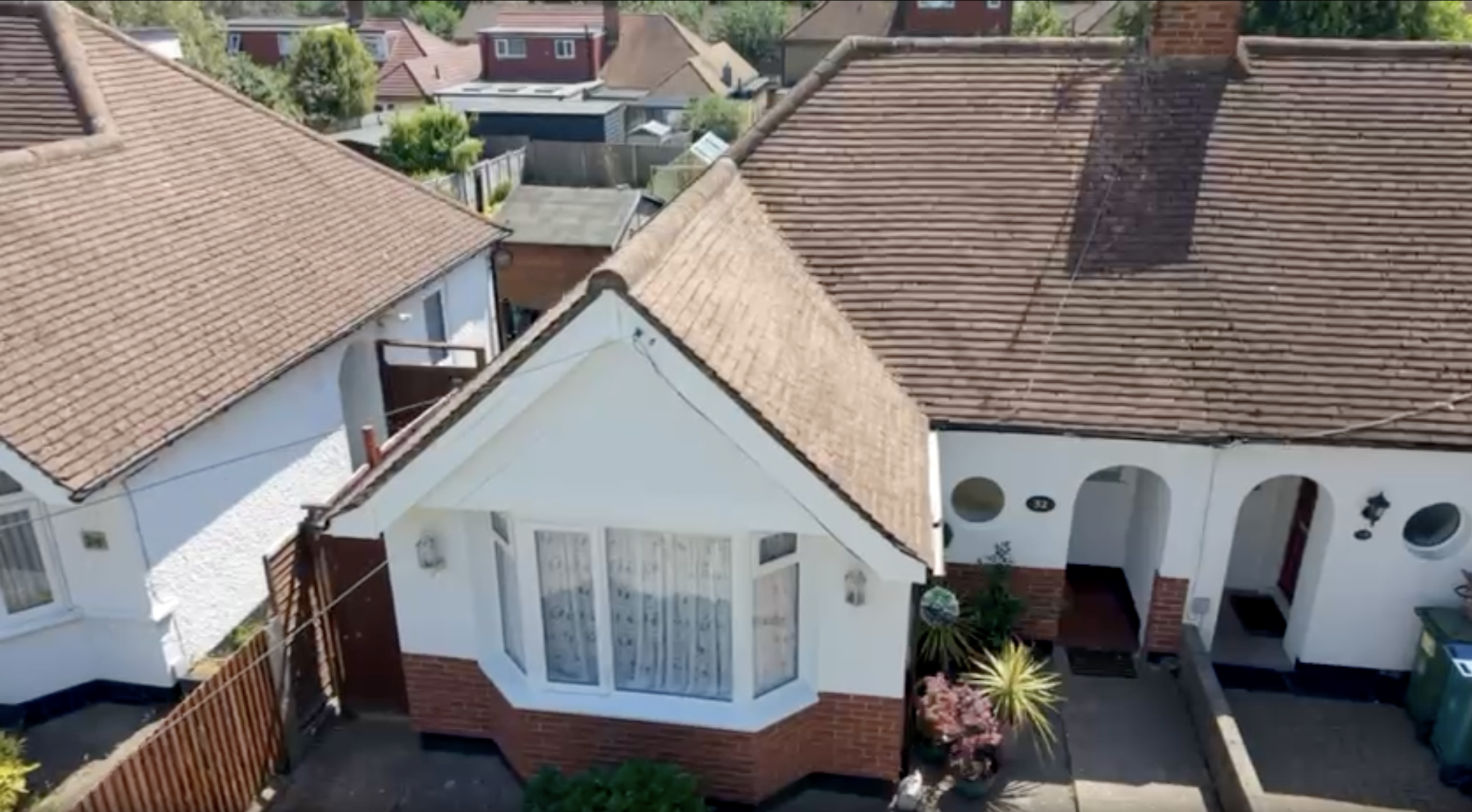
The scale is measurable. In 2024, 7% of social rented homes in England had damp problems; 6% of local authority and 4% of housing association stock had a Category 1 hazard under the HHSRS, the assessment system Awaab’s Law timescales now attach to (English Housing Survey 2024-25). Cold is the latent one: it surfaces as a hazard in the exact months when contractor capacity is scarcest.
There is a second, quieter issue. Some of the fabric work done across the sector in recent years is itself part of the problem, homes that were “done” may not perform as done, and a completed-measures list is not evidence of a warm home.
From the official record: approximately 65,000 households received solid wall insulation under ECO4 and GBIS. The government’s audit found major technical defects in 92% of external wall insulation installations inspected.
Source: Written statement HCWS953, UK Parliament, 13 October 2025
“Cold, damp and mould are one fabric problem wearing three disguises. Retrofit that treats them together is the only kind that survives an audit.”
Michael Zohouri, Founder, Pyramid Eco
Ventilation: the thread that runs through both phases
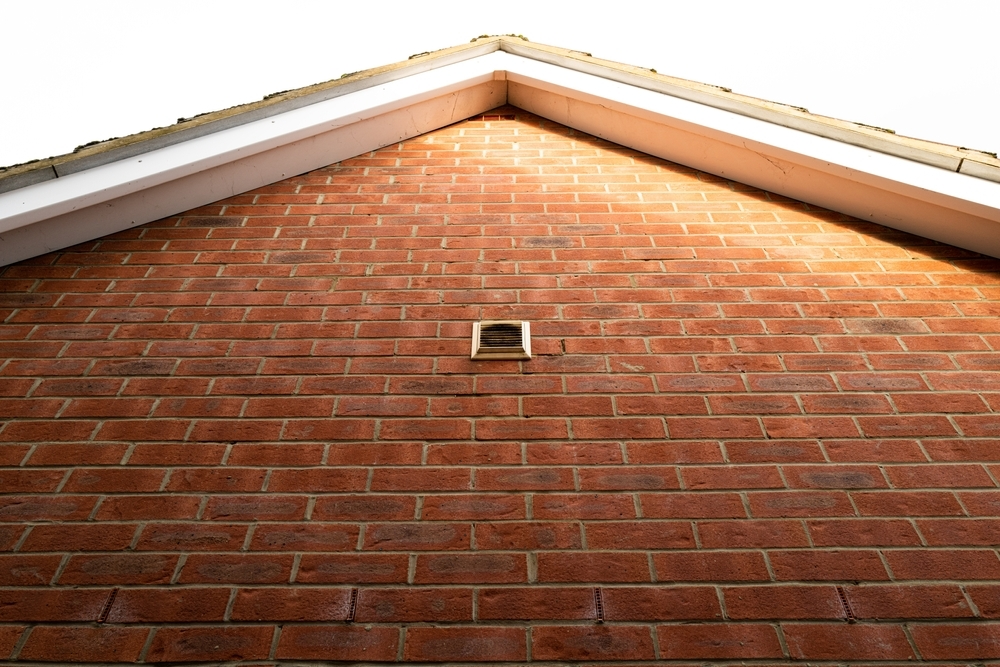
Phase 1 made damp and mould statutory; Phase 2 makes cold statutory. Ventilation sits between them, because the wrong response to a cold home, sealing it up without controlled airflow, manufactures next year’s condensation and mould case, back on the Phase 1 clock. Retrofit that satisfies Phase 2 without re-breaching Phase 1 has to treat insulation and ventilation as one design problem. That is exactly what PAS 2035 whole-dwelling assessment exists to do.
What to do between now and 30 November
- Map the risk cohort now. EPC data, void surveys, fuel-poverty referrals and existing damp/mould case history point to the homes most likely to present as excess-cold hazards. You hold all four datasets already.
- Stress-test the response chain against the clock. Who surveys within 10 working days? Who installs within the safety-works window? What happens in January when reports spike and every contractor’s diary is full?
- Verify, don’t assume, past measures. Where insulation was installed under ECO-era schemes, check it performs. Remediation is fundable and the obligation sits with the original installer or their guarantee provider, but the Awaab’s Law duty to the resident sits with you. Our remediation service exists for exactly this.
- Fold statutory response into the retrofit programme. Reactive hazard works and planned investment should draw on the same whole-dwelling assessments, not compete for the same budget twice.
Where Pyramid Eco fits
We have delivered retrofit across London and the South East since 2011: insulation, ventilation, heating and renewables, PAS 2030 certified working to PAS 2035, TrustMark registered. We are also registered on the IAA remediation framework, the work of putting failed insulation right, which means we assess fabric with the scepticism of a contractor who has seen what failure looks like from the inside.
If you are building your Phase 2 response plan and need survey-to-installation capacity, or a second opinion on stock you suspect, talk to us before the winter does it for you.
Or download our free guide: The Complete Guide to Ventilation in Sustainable Retrofits (PDF)
Sources: MHCLG, Awaab’s Law guidance for social housing landlords (Phase 1 in force 27 October 2025; Phase 2 regulations in force 30 November 2026). Kennedys Law, Awaab’s Law Phase 1 analysis (statutory timescales). English Housing Survey 2024-25 headline findings (damp and Category 1 hazard rates by tenure). UK Parliament written statement HCWS953, 13 October 2025 (ECO4/GBIS audit findings). Phase 3 scope and private-sector extension are expected, not yet enacted. This article is general information, not legal advice.